1 800 741 5985
Intraoperative neuromonitoring (IONM) has become an indispensable component of modern neurosurgical procedures. By providing real-time feedback, IONM plays a crucial role in protecting neural pathways and enhancing surgical outcomes.
The Role of IONM in Neurosurgery
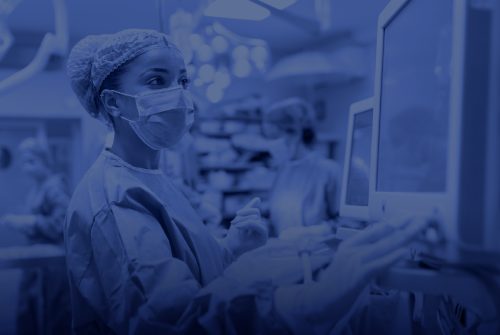
IONM offers continuous monitoring of the central and peripheral nervous systems during high-risk surgeries. The combination of this technology and the skilled know-how of our technologists, allows our team in the operating room to detect and notify the surgeon of potential neural damage in real time, minimizing the risk of postoperative deficits.
- “I use IONM in order to ensure patient safety intraoperatively and provide excellent patient outcomes. IONM also provides a sense of security to my patients that someone is watching over their nerves and spinal cord during surgery. This diminishes anxiety postoperatively in that my patients know that the discomfort they feel after surgery is normal postsurgical pain” – Michael Leahy, MD
Consequences of Non-Adoption
Despite its proven benefits, some institutions have yet to fully adopt IONM, which can compromise patient safety:
- Neural Damage: The absence of monitoring may increase the likelihood of nerve injury.
- Complication Rates: Without IONM, there is a higher chance of avoidable complications, impacting recovery and outcomes.
- Surgical Outcomes: Lacking real-time data, surgeons may not achieve optimal outcomes during invasive procedures
- “I use IONM during surgery for real-time feedback and data through continuous monitoring on my patient’s neurological status. This can potentially lead to improved outcomes for the patient and reduce risk for long-term neurological deficits.” – Matthew Cubbage, MD
The integration of IONM into neurosurgery is crucial for advancing surgical procedures and enhancing patient outcomes. As the medical field continues to evolve, adopting such technologies will remain a key factor in improving surgical success rates.
To explore the latest advancements in IONM and its impact on surgical practices, healthcare professionals are encouraged to stay informed and integrate these technologies into their clinical settings.