Perfusion

Perfusion Problems: Complications Associated with ECMO/ECLS

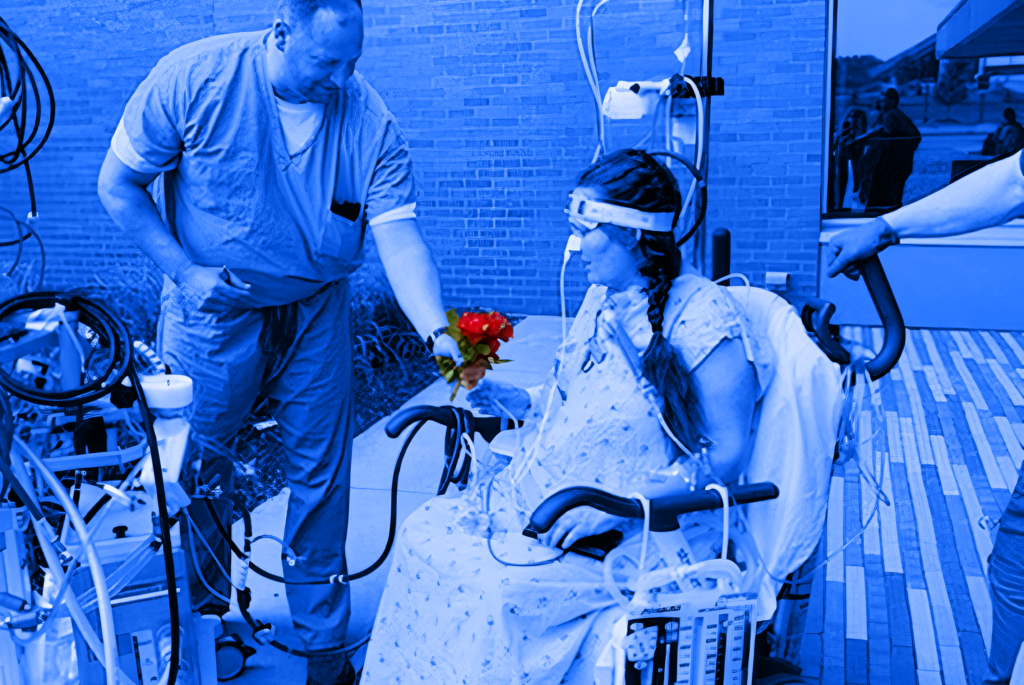
Extracorporeal membrane oxygenation or ECMO (also known as Extracorporeal Life Support or ECLS) supports patients during life-threatening situations, such as heart or lung failure due to illness, after cardiac surgery, or as a bridge for patients awaiting a lung transplant or heart assist device.  Despite ECLS being used for decades, perfusion problems continue to exist […]

Perfusion Problems: Complications Associated with ECMO/ECLS Read More »
Mechanical Perfusion and Oxygenation for Extended Ex Vivo Organ Preservation

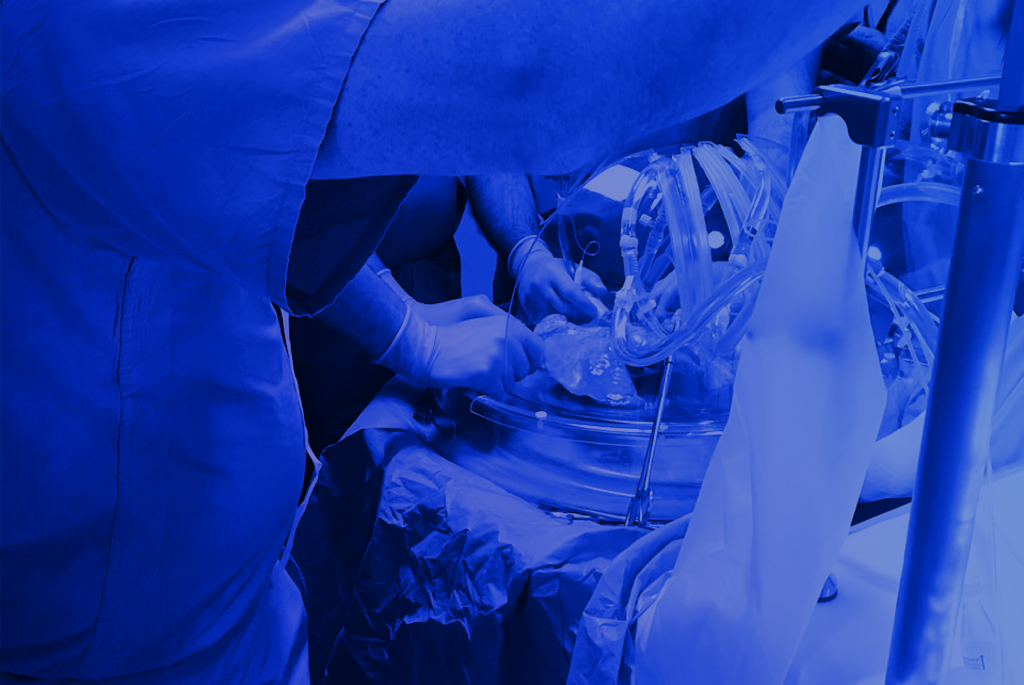
Since the early days of transplant medicine, the parallel practice of organ preservation branched off into a separate science and field of research. The primary goal of mechanical perfusion and oxygenation is to protect organs from the consequences of hypoxia for as long as possible until transplantation can occur. Cooling is an obvious method to

Mechanical Perfusion and Oxygenation for Extended Ex Vivo Organ Preservation Read More »

Real-Time Perfusion Monitoring & Electronic Health Records

For perfusionists, useful, relevant data is essential. Real-time data, with the capability to view and review events recorded at any time during a procedure, can be even more useful. Ideally, real-time perfusion systems capture, analyze, and report data—especially unexpected or abnormal parameters—back to a clinician, at or near the moment they occur in the patient’s

Real-Time Perfusion Monitoring & Electronic Health Records Read More »

Utilizing qualitative research to improve clinical outcomes.

The fundamental purpose of qualitative research is to understand better why a particular group behaves as it does. The numbers produced by quantitative research only scratch the surface of these types of questions, being more about learning which sub-groups are essential and how much they may vary in behaviors and responses. In comparison, qualitative research

Utilizing qualitative research to improve clinical outcomes. Read More »

Paving the way to improve patient safety and quality of Perfusion Services.

Kevin McCusker Ph.D., MSc, CCP, Chief Research Scientist Professor Serdar Gunaydin M.D, Ph.D. Fundamentally, science is not a competition or a zero-sum game; it is neither a chess match nor a wrestling contest. It is an infinite-sum game from which we all benefit. The outcome of the scientific process is not up to the practitioners

Paving the way to improve patient safety and quality of Perfusion Services. Read More »

Real-Time Perfusion Monitoring

Scientist-Perfusionists convert scientific findings into clinically relevant applications.

Kevin McCusker Ph.D., MSc, CCP, Chief Research Scientist Professor Serdar Gunaydin M.D, Ph.D. Traditionally, scientists have bridged the gap between the clinic and the laboratory. Scientist-Perfusionists now hold professional degrees related to clinical care (i.e., Ph.D., CCP, RN, RRT, and MT) but spend most of their time in the clinical arena. Through our unique combination

Scientist-Perfusionists convert scientific findings into clinically relevant applications. Read More »

Scroll to Top